
Trending
EAST LIVERPOOL--A local national landmark recently received a facelift.
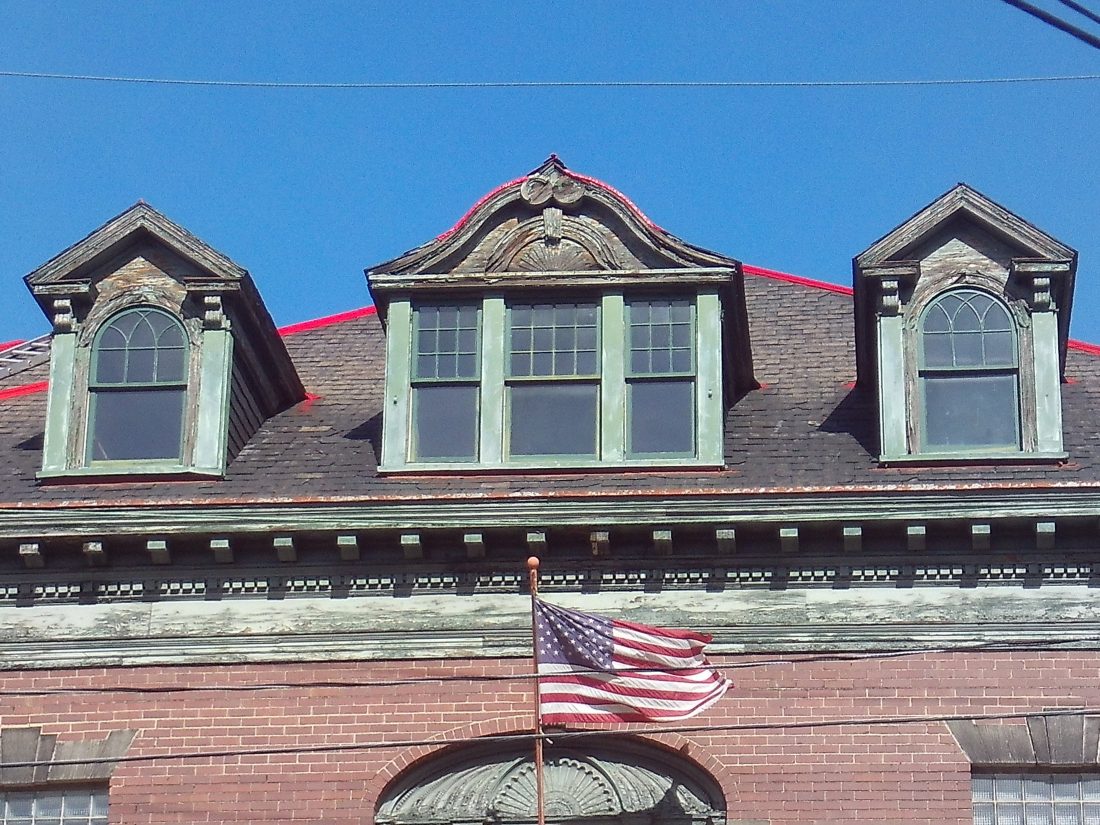
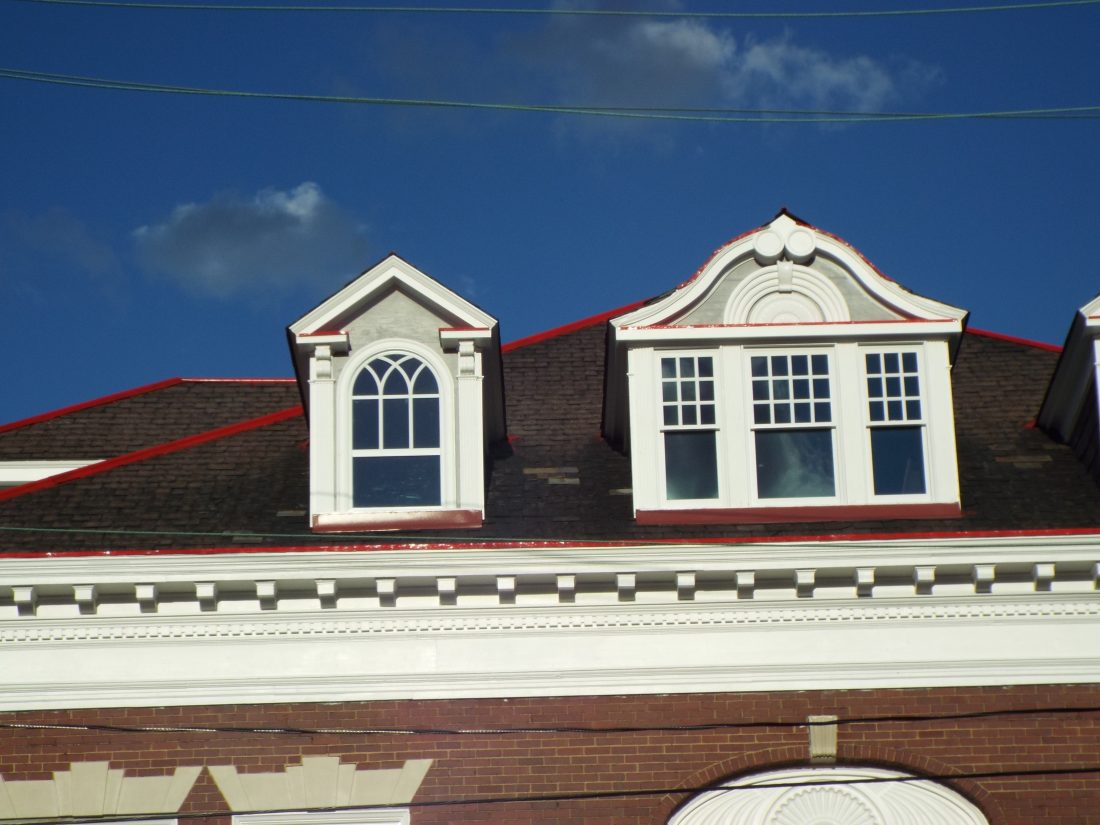
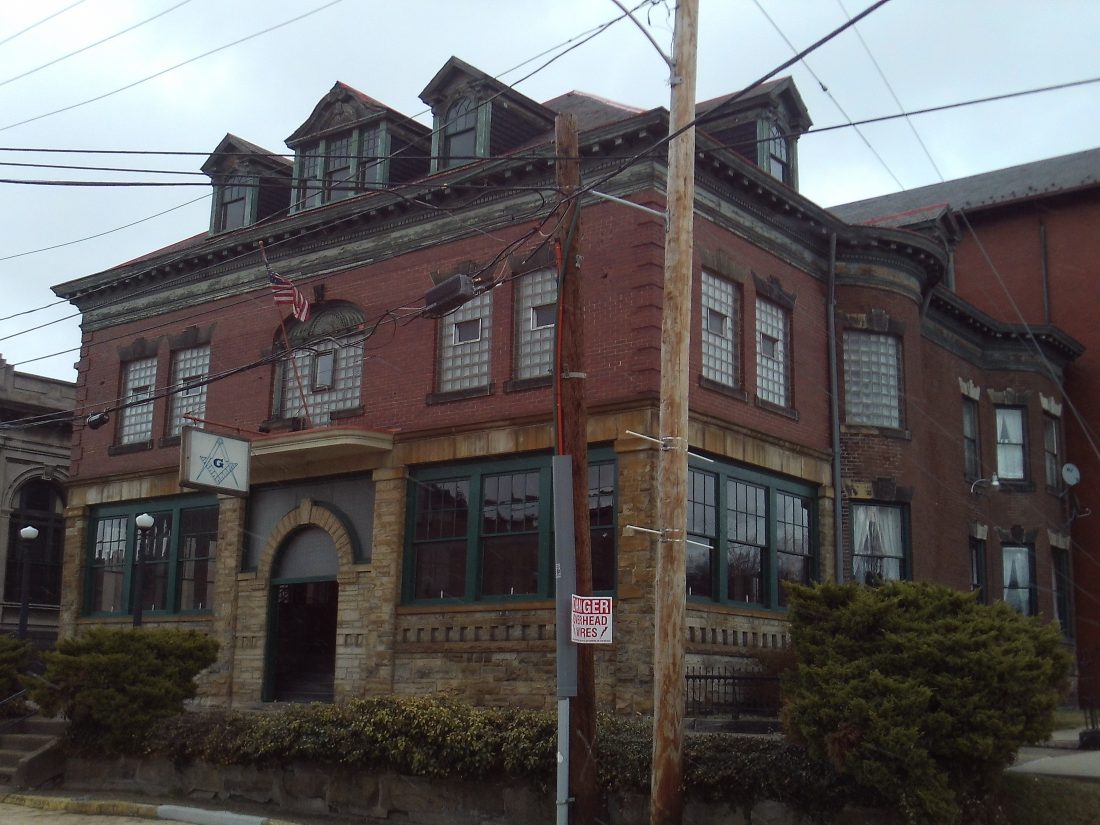
Work continues at the Masonic Lodge in downtown East Liverpool, which had been added to the city's National Register of Historic Places roster in 1985 along with 10 other properties.
Located at 422 Broadway, the former Godwin-Knowles House is also a contributing property in the national historic district.
Built in 1890, the former Godwin-Knowles House was constructed for one of the area's leaders in the pottery industry. A masonry structure, featuring a stone foundation with mostly brick walls, it seems appropriate that it eventually did end up housing the Masonic Lodge, after Homer Knowles decided to sell the family home.
After purchasing it in 1910, the Masons did some renovations and additions to the building to make the original Colonial Revival-styled property fit their expanding needs. For example, they enclosed the front porch and expanded the overall facade of the building, adding more interior room for their growing memberships.
Spending $50,000 for the addition back in 1910, experts estimate that if the work had taken place today, the work would cost around $1.4 million -- especially due to the layered brick technique utilized.
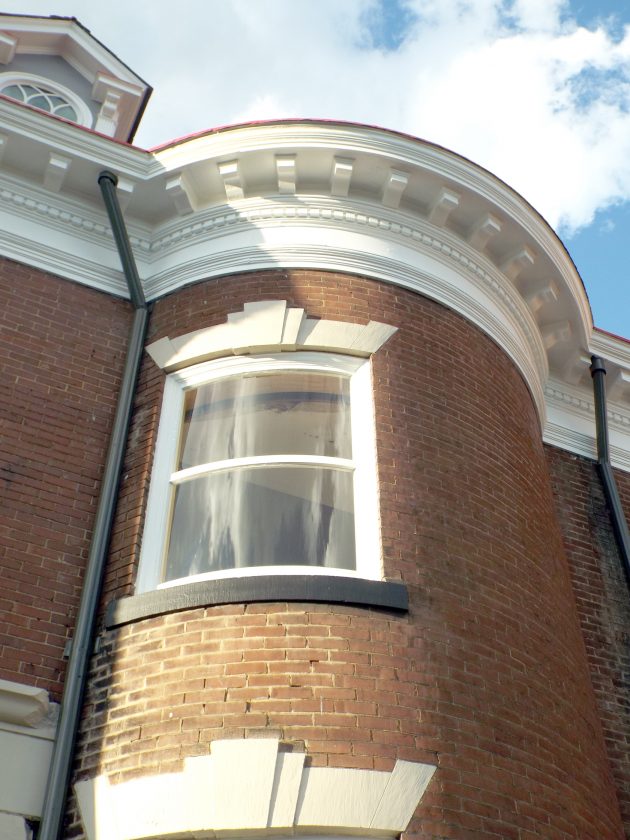
The extended roof and new dormers were built to appear identical to the original features.
In recent years, the Masonic Lodge had fallen in some disrepair. However -- thanks to a trust -- the Masonic Temple Company was able to do the work to save the building. According to Brian Fitzgerald, who heads the Temple Company and serves as the lodge's Worshipful Master, he credits Frank Miller for providing the funds for the project.
Work started in June, and R&R Construction Group in Industry, Pa. was just the firm to do the job.
"It took us three years to finalize (Miller's trust), and we decided that we definitely needed to restore this building," Fitzgerald explained.
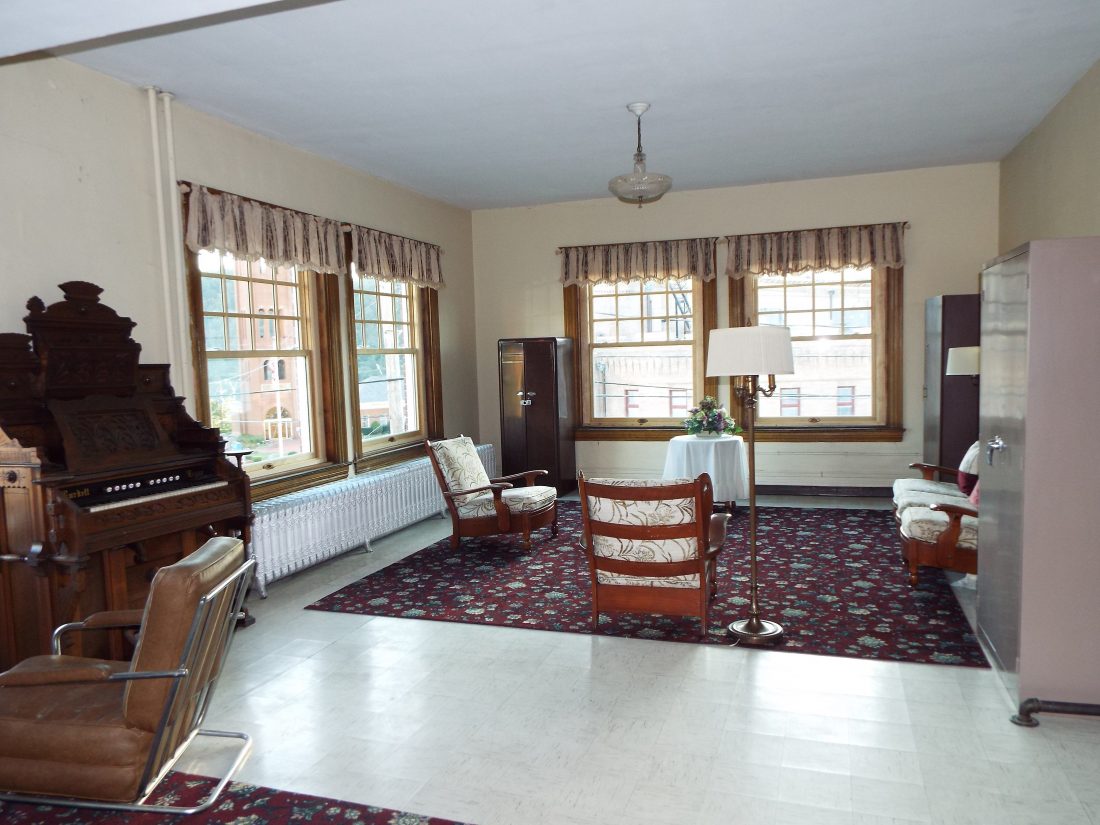
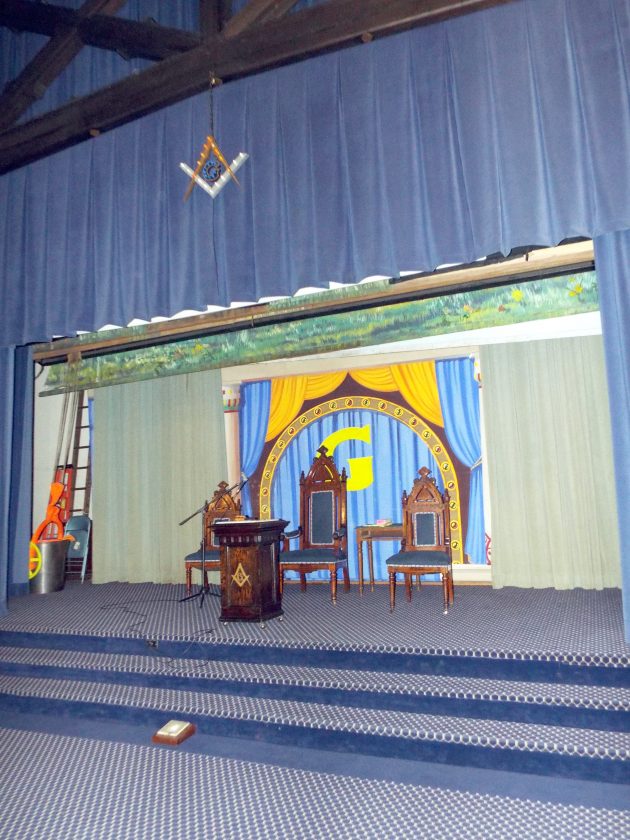
The building is much larger than appearing at first glance from the outside. For example, the building has five floors, including a grill room in the basement, a ball room with a full stage, pool parlor and women's lounge.
Then there is the building's upper most room, where the Masons hold most of their ceremonial activities.
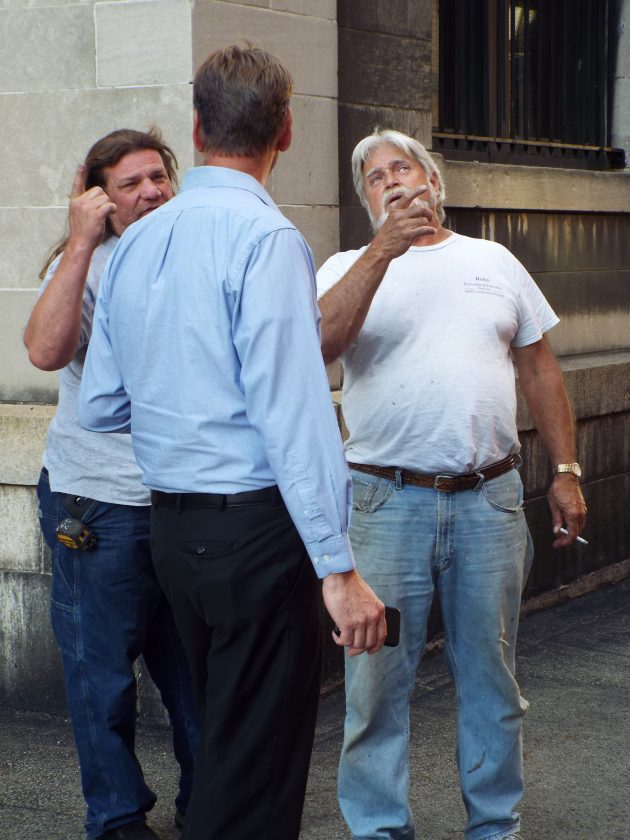
Rohn Sambol, himself a mason from Shippingport, helped to oversee the project on behalf of his firm. He points out that his firm made extraordinary efforts to keep the historic details intact through the restoration process. He does acknowledge that his and his crew's memberships in the Masons may have led the firm to get selected for this particular project.
"There is a honor and integrity among masons," he explained, adding that a building as majestic as this one represents a particularly strong commitment to its legacy.
Throughout the project, the firm attempted to retrace as much of the building's historical integrity, as it could by looking at old photos to aid with the recreation process. For example, two exterior lights on either side of the building's front side had been removed. However, Fitzgerald said Sambol found that their wires were still there and hot, so those lights were reinstalled as soon as the front was completed.
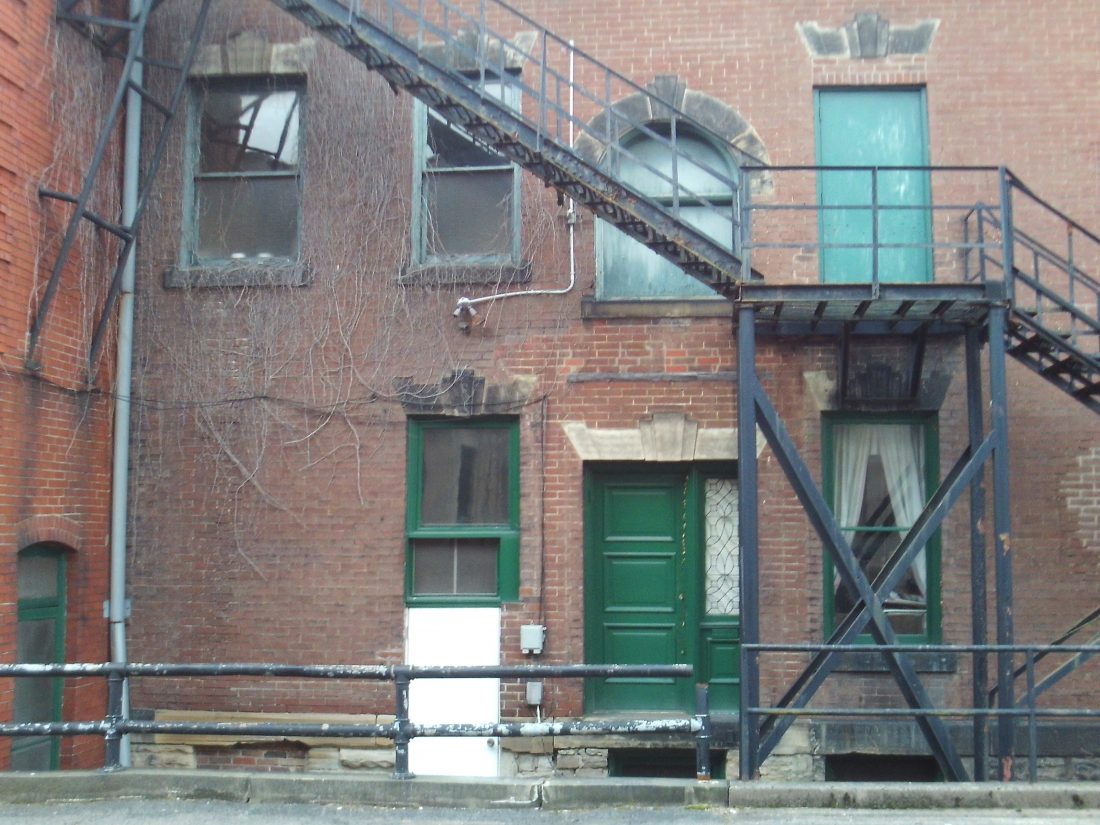
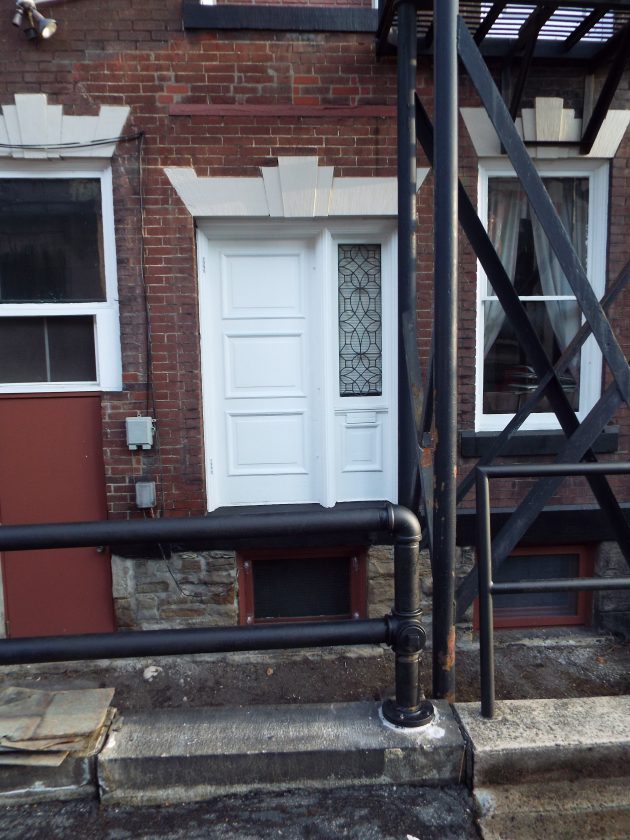
Then, there is a door to nowhere on the building's north side.
Fitzgerald reveals that the door led from a porch, which officials had to remove when they installed a fire escape in the late 1940s.
R&R kept all the original corbels but did accent many of the new downspouts with period finish and reglaze the original windows.
"We are very proud of this," Sambol said, adding that many of the workers (who were mason members) donated their time.
This building houses the Riddle Lodge 315, East Liverpool Masonic Lodge 681, Royal Arch Masons 100, Pilgrim Commandery 55, Keramos Council 95, East Liverpool Chapter 100, the Social of Beaucrentis Assembly No. 7a and the Crystal Chapter of Eastern Star.
When asked for a tentative completion date, Fitzgerald said there is much still to be done. He would like to see an elevator installed, as their membership ages and see the chapter room, which is now storage, restored to its original glory.
He also admits that he still pines for a pipe organ that the temple used to have on site, which was only one of three made.
"We had one, the other two were in Moscow and New York," he said, adding that he would like to see one returned front and center to its rightful place in the building's uppermost room.