
Hearing set in foam disposal dispute
Trending
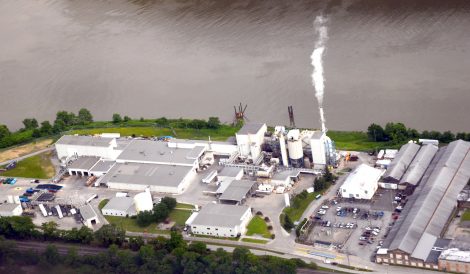
OAKLAND, Calif. -- A crucial court appearance could determine whether an East Liverpool incinerator could continue disposing of a substance that environmentalists allege is the equivalent of federal toxic waste.
Earlier this year, the local environmental activist group Save Our County (SOC), which is based on the city's east end, filed court action along with three other groups that includes the Sierra Club against the United States Defense Logistics Agency and four other co-defendants that included Heritage Environmental Services LLC, which operates the east end incinerator.
A motion hearing has been set before Judge Saundra Brown Armstrong at 2 p.m. Sept. 9 in the Northern District of California Court, where the case was filed.
The Sierra Club, which spearheaded the lawsuit, is California-based and that determined the venue for adjudication.
The plaintiffs allege the federal government failed to follow proper procedures when deciding to contract for incineration of toxic firefighting foam containing PFAS with Heritage Environmental Services LLC, which operates the incinerator.
The PFAS have been blamed for polluting soil and ground water in communities, where the foam was utilized near military bases.
Because of the possible liability, the federal government elected to incinerate the unused firefighting foam; however, environmentalists allege that they failed to conduct any environmental review and in return opened up communities like East Liverpool to the toxic emissions that result
Along with Heritage Environmental Services, the suit also named the United States Defense Logistics Agency (DLA) and both the agency's director and the director of the Department of Defense individually, alleging that the defendants violated the National Environmental Policy and National Defense Authorization act (NEPA).
A second contract recipient, Tradebe Treatment and Recycling, was removed from the lawsuit in June after the DLA terminated its contract with them.
The plaintiffs are asking for reinforcement of the NEPA, which "is (the) basic national charter for protection of the environment" and requires that agencies take a look of at environment consequences of its proposed actions.
Documented human risks associated with PFAS include birth defects, cancer, thyroid disease, pre-eclampsia and significant effects on kidney and liver function.
The complaint alleges that in addition to Heritage being a repeat violator of the Clean Air Act, it is located less than 400 feet from a minority neighborhood with a "strikingly high incidence rate of overall cancer," when compared to Ohio and the rest of the United States, according to a Ohio Department of Health 2010 communication.
In a recent document filed with the court, Heritage acknowledges that it has conferred with both its co-defendants and the plaintiffs and recently clarified its position in a court document dated Aug. 18.
"Heritage does not concede that high temperature incineration fails to safely and effectively dispose of PFAS containing materials. Heritage maintains that high-temperature incineration is a suitable and effective method of disposal of PFAS-containing materials and is consistent with applicable environmental laws and regulations," the document reads, while touting that its incinerator is one of the most "heavily regulated operations of its kind and subject to extensive public review and consideration."
If the judge sides with the activist group against the federal government and Heritage, the contract could be vacated, rendering Heritage legally unable to continue incineration of the PFAS.